
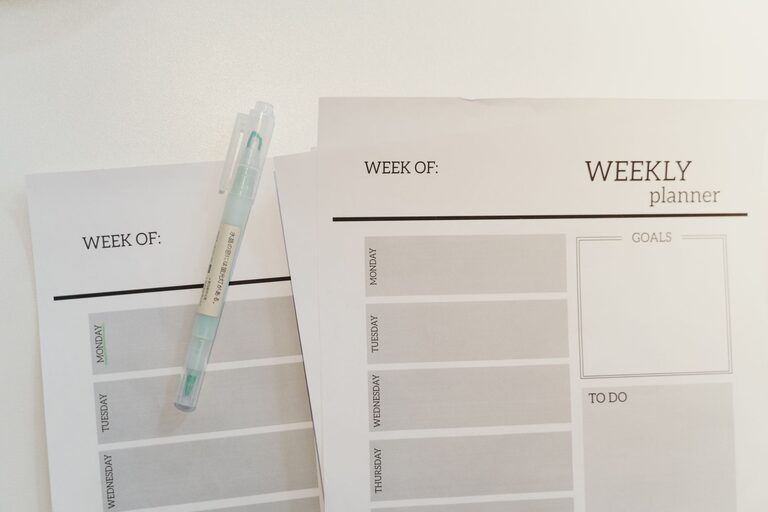
Setting weekly goals is a powerful way to stay focused, motivated, and productive. However, many people struggle with setting goals that are either too ambitious or too vague, which can lead to frustration and burnout. The key is to set realistic weekly goals that are challenging yet attainable. In this post, we’ll explore how to set weekly goals that help you make steady progress toward your bigger objectives while maintaining balance in your life.
Why Set Weekly Goals?
Weekly goals help break down your long-term plans into manageable chunks. Instead of getting overwhelmed by the big picture, you focus on what you can accomplish during the next seven days. This approach offers several benefits:
– Clarity: You know exactly what to focus on.
– Motivation: Achieving small wins fuels your drive.
– Flexibility: You can adjust goals weekly as priorities change.
– Progress tracking: Regular review helps you stay on course.
Step 1: Reflect on Your Bigger Picture
Before you set weekly goals, it’s important to understand your overall priorities. Ask yourself:
– What are my main objectives this month or quarter?
– Which areas of my life need more attention (work, health, personal development)?
– What deadlines or important events are coming up?
Having this context will help you choose goals that align with your bigger plans.
Step 2: Use the SMART Goal Framework
A popular method for goal setting is the SMART framework. SMART stands for:
– Specific: Clearly define what you want to accomplish.
– Measurable: Include numbers or milestones to track progress.
– Achievable: Set goals that are within your reach.
– Relevant: Ensure the goal aligns with your overall priorities.
– Time-bound: Set a deadline — in this case, by the end of the week.
For example, instead of saying “Exercise more,” a SMART goal would be “Go for a 30-minute jog three times this week.”
Step 3: Limit the Number of Weekly Goals
Trying to do too much at once can lead to burnout. It’s better to focus on a few key goals each week. Aim for 3 to 5 goals that are manageable given your available time and energy.
Step 4: Break Goals into Smaller Tasks
Sometimes weekly goals can still feel large. Breaking them into smaller steps makes them more approachable. For example:
Goal: Complete the first draft of a report
Tasks:
– Research topic (Monday)
– Outline sections (Tuesday)
– Write introduction and first section (Wednesday)
– Write remaining sections (Thursday)
– Review and edit draft (Friday)
Step 5: Plan Your Week with Time Blocks
Once you have your goals and tasks, schedule specific times to work on them. Blocking out time in your calendar helps create commitment and ensures you allocate enough focus to important activities.
Step 6: Track Your Progress Daily
Check your progress every day by reviewing what you’ve completed. Crossing off tasks or marking them as done provides motivation and highlights any adjustments you might need to make.
Step 7: Reflect and Adjust Each Week
At the end of the week, evaluate your achievements:
– Which goals did you complete?
– What challenges did you face?
– What can you improve next week?
Use this reflection to set better, more realistic goals for the following week.
Tips for Staying Motivated and Realistic
– Be honest about your time: Consider your work hours, family commitments, and downtime.
– Allow flexibility: Life can be unpredictable, so it’s okay to adjust goals as needed.
– Celebrate small victories: Acknowledge your progress to stay motivated.
– Avoid perfectionism: Progress is better than perfection.
– Use reminders: Set alarms or notifications to keep goals top of mind.
Example of a Realistic Weekly Goal Plan
| Goal | Tasks | Deadline |
|——————————|——————————–|——————|
| Improve fitness | Jog 30 minutes (Mon, Wed, Fri) | Friday evening |
| Complete work presentation | Draft slides (Tue), rehearse (Thu) | Thursday |
| Organize digital files | Sort emails and folders (Wed) | Wednesday noon |
| Read professional article | Read and summarize (Fri) | Friday afternoon |
This simple plan breaks larger intentions into achievable actions within the week, encouraging steady progress.
Final Thoughts
Setting realistic weekly goals is a powerful habit that fosters consistent growth and balance. By reflecting on your bigger picture, applying the SMART framework, and regularly reviewing your progress, you can create weekly goals that motivate you without overwhelming you. Remember, the goal of weekly planning is to guide you toward your larger dreams, one achievable step at a time. Happy goal setting!