
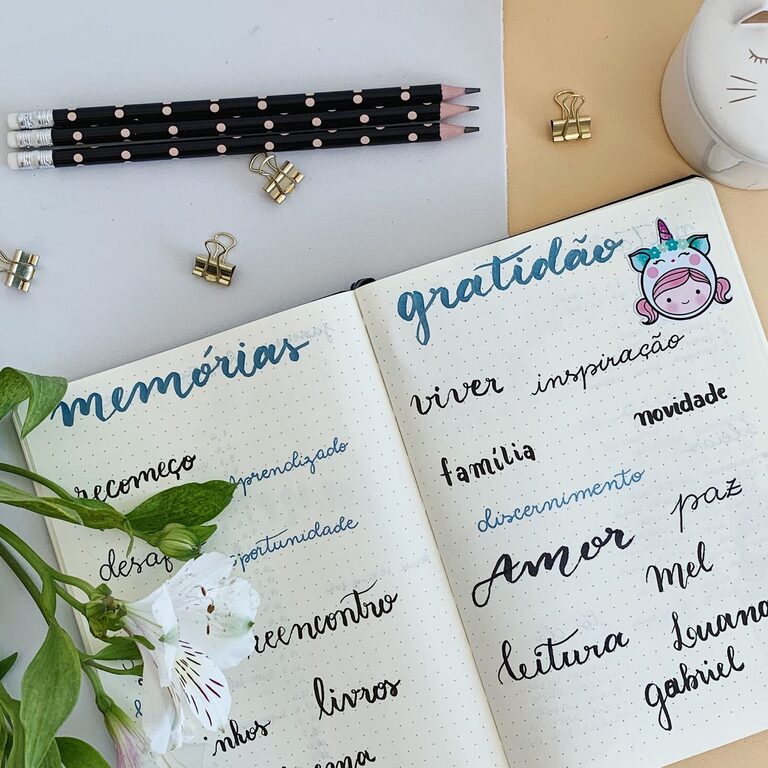
Starting a gratitude journal is a wonderful way to cultivate a positive mindset and appreciate the little things in life. By regularly reflecting on what you’re thankful for, you can increase your overall happiness, reduce stress, and improve mental clarity. If you’re new to this practice, this guide will walk you through everything you need to know to create your own gratitude journal and make it a meaningful daily habit.
What Is a Gratitude Journal?
A gratitude journal is a personal notebook or digital document where you write down things you are grateful for. These can be big or small — anything from a supportive friend to a beautiful sunset. The goal is to focus on positive aspects of your life, which can help shift your mindset away from negativity and stress.
Benefits of Keeping a Gratitude Journal
Before you start, it’s helpful to understand why this practice is so valuable:
– Improves mood: Regularly noting positive experiences can lift your spirits.
– Enhances mindfulness: It encourages you to slow down and notice the present moment.
– Builds resilience: Gratitude can help you cope better with challenges.
– Strengthens relationships: Recognizing what others do for you fosters deeper connections.
– Promotes better sleep: Reflecting on positive thoughts before bed can improve sleep quality.
How to Choose Your Journal
You don’t need anything fancy to begin. Here are some options:
– Traditional notebook: A simple lined or blank notebook dedicated to gratitude.
– Pre-made gratitude journal: These often include prompts and inspirational quotes.
– Digital tools: Apps and note-taking software can work well if you prefer typing.
Choose what feels most comfortable and accessible so you’re more likely to keep up with the habit.
Getting Started: Step-by-Step Guide
1. Set Aside Time Daily
Consistency is key. Pick a time that suits your routine — morning, evening, or any quiet moment during the day. Even 5 minutes is enough to reflect and write.
2. Create a Quiet Space
Find a comfortable, distraction-free spot where you can focus. This helps make journaling a calming ritual.
3. Write 3-5 Things You’re Grateful For
Start small. Each day, list a few things you appreciate. They can be simple, such as:
– A warm cup of coffee in the morning
– A kind word from a colleague
– The sound of birds outside
– Your health
– A favorite hobby
4. Be Specific and Personal
Rather than general statements (“I’m grateful for my family”), try to be detailed (“I’m grateful for the laugh I shared with my sister today”). This deepens the emotional impact.
5. Reflect on Why
Spend a moment considering why each item is meaningful to you. This reflection strengthens the feeling of gratitude.
Tips to Keep Your Gratitude Journal Going
– Keep it visible: Store your journal where you can easily reach it.
– Use prompts: If you’re stuck, prompts like “What made me smile today?” can help.
– Include drawings or photos: Adding visuals can make journaling more fun.
– Mix it up: Write lists, short paragraphs, or poems — variety keeps it interesting.
– Share occasionally: Sometimes sharing your gratitude with others can boost your mood and theirs.
Overcoming Common Challenges
What if I don’t feel grateful today?
It’s normal to have off days. When gratitude feels hard, focus on very small or simple things, like the air you breathe or a good meal.
What if I miss a day?
Don’t worry! Journaling is about progress, not perfection. Just pick it up again the next day without guilt.
Can I journal more than once a day?
Absolutely. You can jot down moments of gratitude throughout the day or do a longer reflection once daily.
Examples of Gratitude Journal Entries
Here are a few examples to inspire you:
– “Today I’m grateful for the sunny weather that lifted my mood and the delicious lunch I enjoyed with my friend.”
– “I appreciate my dog’s happy welcome when I got home. It reminded me I’m loved.”
– “I’m thankful for the patience I showed myself when learning a new skill.”
Final Thoughts
Starting a gratitude journal is a simple but powerful way to improve your outlook on life. It doesn’t require special skills or equipment — just a willingness to notice and appreciate the good around you. With regular practice, you’ll likely find yourself feeling calmer, more positive, and more connected to the world around you.
Give it a try today. Grab a notebook, find a quiet moment, and start writing your way to greater happiness. Your future self will thank you!