
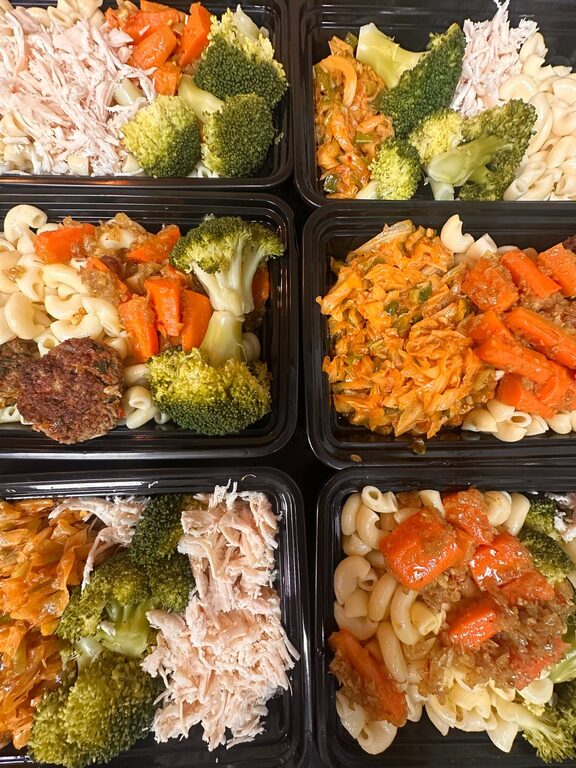
Planning meals ahead of time can make your week smoother, healthier, and less stressful. Whether you’re cooking for yourself, your family, or just trying to eat more balanced meals, creating a simple weekly meal plan can be a game-changer. In this post, we’ll guide you through the process of setting up an easy meal plan that fits your lifestyle and tastes.
Why Create a Weekly Meal Plan?
Before diving into the steps, let’s talk about some of the benefits:
– Saves Time: Knowing what to cook ahead of time means fewer last-minute decisions.
– Reduces Stress: No more worrying about what’s for dinner after a long day.
– Helps You Eat Healthier: Planning encourages balanced meals and reduces impulse eating.
– Saves Money: You can buy only what you need and reduce food waste.
Now that we know why meal planning is helpful, let’s get started.
Step 1: Assess Your Week
Begin by looking at your upcoming week’s schedule. Ask yourself:
– How many meals do I need to plan? (Breakfast, lunch, dinner, snacks?)
– Are there days when I’ll be busier or eating out?
– Do I have any events or special occasions?
This will help you decide how many meals to plan and when.
Step 2: Choose Your Meals
Pick simple recipes that you enjoy and fit your schedule. Here’s a good way to start:
– Breakfast: Go for easy options like oatmeal, yogurt with fruit, or smoothies.
– Lunch: Think about leftovers from dinner, salads, or sandwiches.
– Dinner: Choose 3-5 recipes you can rotate through the week. Include a mix of proteins, veggies, and grains.
Tips for Selecting Recipes
– Use meals with overlapping ingredients to simplify shopping.
– Include at least one vegetarian or plant-based meal.
– Choose recipes that suit your cooking skill level and time availability.
Step 3: Make a Meal Plan Template
Create a simple chart or table with days of the week and meal categories. Here’s an example:
| Day | Breakfast | Lunch | Dinner |
|———-|—————-|—————|——————|
| Monday | Oatmeal + fruit| Chicken salad | Grilled salmon |
| Tuesday | Smoothie | Leftover salmon | Stir-fry veggies |
| … | … | … | … |
This visual will help you see the week at a glance.
Step 4: Write a Grocery List
Once meals are chosen, list all the ingredients you need.
How to Build Your Grocery List
– Group items by category: produce, dairy, meat, pantry staples.
– Check your pantry and fridge to avoid buying duplicates.
– Include staples you may need for multiple recipes, like olive oil or spices.
Step 5: Prepare in Advance
Meal prepping can save even more time:
– Wash and chop vegetables.
– Cook grains like rice or quinoa.
– Prepare proteins in bulk (grill chicken or roast vegetables).
You don’t have to prep everything, but doing a little in advance can make cooking quicker and easier throughout the week.
Step 6: Be Flexible
Life happens, and plans change. Don’t worry if you need to swap meals or eat out sometimes. Your meal plan is a helpful guide, not a strict rulebook.
Extra Tips for Success
– Keep it Simple: Aim for meals with 5 ingredients or less.
– Use Leftovers: Plan meals that work well as leftovers to reduce waste.
– Try Theme Nights: For example, Meatless Mondays or Taco Tuesdays to simplify decision making.
– Involve Family: Let everyone pick a meal or help with prep for more fun and variety.
Sample Simple Weekly Meal Plan
Here is a basic example you can customize:
– Monday:
– Breakfast: Greek yogurt with honey and berries
– Lunch: Turkey and cheese sandwich with carrot sticks
– Dinner: Baked chicken breast with roasted broccoli and quinoa
– Tuesday:
– Breakfast: Smoothie with spinach, banana, and almond milk
– Lunch: Leftover baked chicken salad
– Dinner: Veggie stir-fry with tofu and brown rice
– Wednesday:
– Breakfast: Oatmeal topped with nuts and sliced apple
– Lunch: Tomato soup and whole-grain bread
– Dinner: Spaghetti with marinara sauce and side salad
…and so on.
Final Thoughts
Creating a weekly meal plan is a simple habit that can improve your mealtime routine. Start small, pick recipes you like, and adjust as you go. Over time, planning your meals will become second nature—and your week will be healthier and less hectic as a result.
Remember, the key is to keep it simple and flexible so you enjoy the process and the food! Happy planning!