
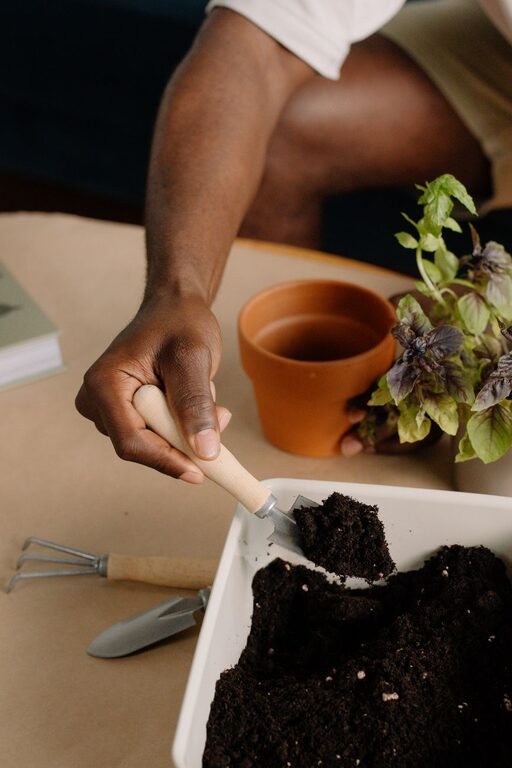
Starting an indoor herb garden is a wonderful way to bring fresh flavors and greenery into your home. Whether you have a spacious kitchen or just a small windowsill, growing herbs indoors is a satisfying and practical hobby. This guide will walk you through everything you need to know to start your own small herb garden, even if you don’t have a green thumb. From selecting the right herbs to maintaining them, you’ll be harvesting fresh herbs in no time.
Why Grow Herbs Indoors?
Growing herbs indoors has many benefits:
– Freshness: Harvest herbs anytime you want, ensuring maximum flavor.
– Convenience: No need to buy herbs from the store or worry about them wilting.
– Space-saving: Perfect for small apartments or places without garden space.
– Air quality: Some herbs help improve indoor air quality.
– Therapeutic: Gardening indoors can reduce stress and boost mood.
With these advantages in mind, let’s dive into how to start.
Choosing the Right Herbs for Indoor Growth
Not all herbs thrive indoors equally. Here are some popular, easy-to-grow herbs suited for indoor gardens:
– Basil: Great for cooking, loves sunlight.
– Mint: Grows well but can spread quickly, so keep it separate.
– Parsley: Tolerates moderate light, useful in many dishes.
– Chives: Requires less light and adds onion flavor.
– Thyme: Low-maintenance and fragrant.
– Cilantro: Prefers cooler indoor temps and moderate light.
– Oregano: Hardy and easy to care for.
Start with a few herbs you use most frequently to keep things manageable.
Selecting Containers and Soil
Containers
Choose containers with good drainage holes to prevent waterlogging. Options include:
– Small pots (ceramic, plastic, or terracotta)
– Recycled containers with holes drilled in the bottom
– Herb garden kits with built-in planters
Make sure the container fits the space you have available.
Soil
Use a light, well-draining potting mix designed for indoor plants or herbs. Avoid garden soil, which can be too dense and may contain pests.
Finding the Perfect Spot for Your Herb Garden
Most herbs need ample sunlight to thrive—ideally 6 to 8 hours of direct light daily. The best spots include:
– South or west-facing windows
– Sunrooms or bright kitchens
If natural light is limited, consider using a grow light to supplement. LED grow lights are energy-efficient and effective for herbs.
Planting Your Herb Garden
Starting from Seeds
– Fill your containers with potting mix, leaving about an inch from the top.
– Moisten the soil slightly.
– Plant seeds according to the packet instructions (usually at a shallow depth).
– Cover lightly and keep soil moist, not soggy.
– Place containers in the bright spot you’ve chosen.
– Germination times vary, so be patient.
Starting from Seedlings or Cuttings
– Purchase small herb plants from a nursery or garden center.
– Gently loosen the roots and plant them in your containers.
– Water thoroughly after planting.
Caring for Your Indoor Herb Garden
Watering
– Herbs prefer soil that is moist but not waterlogged.
– Check soil moisture daily by touching the top inch.
– Water when soil feels dry.
– Avoid letting herbs sit in standing water to prevent root rot.
Feeding
– Use a balanced, water-soluble fertilizer every 4-6 weeks during growing season.
– Follow package instructions carefully to avoid overfeeding.
Pruning and Harvesting
– Regularly pinch off the tips to encourage bushier growth.
– Harvest herbs by cutting just above a leaf node.
– Avoid removing more than one-third of the plant at a time.
– Remove any yellow or dead leaves promptly.
Troubleshooting Common Issues
– Leggy herbs: Usually caused by insufficient light; move plants to a sunnier spot or add grow lights.
– Yellow leaves: Can indicate overwatering; check soil moisture.
– Pests: Occasionally, indoor herbs may attract aphids or spider mites. Wipe leaves with a damp cloth or use natural insecticidal soap if needed.
Tips for Enjoying Your Indoor Herb Garden
– Rotate your plants regularly so all sides get light.
– Consider grouping herbs with similar water needs.
– Use fresh herbs in your cooking, teas, or for garnishing.
– Share cuttings with friends to start their own gardens.
Conclusion
Starting a small indoor herb garden is an easy and rewarding way to enjoy fresh herbs year-round. With a little planning and care, you can create a thriving green space in your home that enhances your meals and your living environment. Whether you’re a novice or an experienced plant lover, indoor herb gardening offers something for everyone. Grab a few pots, your favorite herbs, and begin your indoor gardening journey today!