
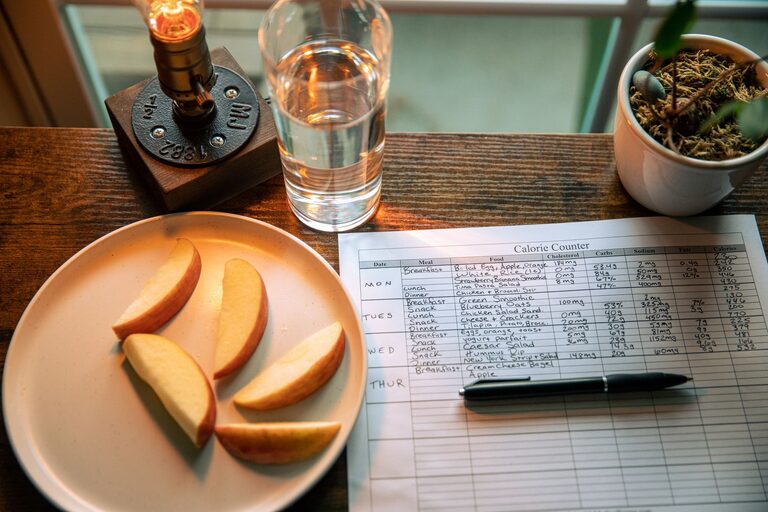
Planning balanced meals doesn’t have to be a daunting or stressful task. With a little preparation and some straightforward strategies, you can enjoy nutritious, tasty meals that support your well-being and fit seamlessly into your busy schedule. This guide will walk you through practical steps to plan balanced meals without the hassle.
What Is a Balanced Meal?
Before diving into planning, it’s important to understand what makes a meal balanced. A balanced meal typically includes:
– Proteins: Help build and repair tissues. Examples include lean meats, beans, tofu, eggs, and fish.
– Carbohydrates: Provide energy. Opt for whole grains, fruits, and vegetables rather than refined carbs.
– Fats: Essential for brain health and hormone production. Choose healthy fats like nuts, seeds, avocados, and olive oil.
– Vitamins and Minerals: Found in fruits, vegetables, and whole foods, these support your body’s functions.
– Fiber: Supports digestion. Vegetables, fruits, legumes, and whole grains are great sources.
Aiming to include these components helps ensure your meals are satisfying and nourishing.
Step 1: Start With a Weekly Plan
Creating a meal plan for the week ahead sets the tone for stress-free eating. Here’s how to get started:
Choose Your Meals
– List out your preferred meals for breakfast, lunch, and dinner.
– Include a variety of proteins, grains, and vegetables.
– Incorporate seasonal produce to keep things fresh and budget-friendly.
Make a Grocery List
– Based on your meal choices, write down all the ingredients you need.
– Group items by category (produce, dairy, pantry staples) for easier shopping.
– Check your pantry to avoid buying duplicates.
Step 2: Prep in Advance
A little prep work can make mealtime faster and less stressful.
Batch Cooking
– Cook grains like rice or quinoa in large batches.
– Roast or steam a mix of vegetables.
– Prepare protein sources ahead of time, such as grilling chicken or cooking beans.
Portion and Store
– Divide cooked food into meal-sized portions.
– Use clear containers for easy identification.
– Label with dates to keep track of freshness.
Step 3: Keep Meals Simple and Flexible
Balanced meals don’t need many ingredients or complicated recipes.
Easy Meal Ideas
– Stir-fry: Use pre-chopped veggies, a protein source, and a simple sauce.
– Salad bowls: Combine greens, a protein (like chickpeas or grilled chicken), grains, and a dressing.
– Wraps or sandwiches: Whole grain wraps filled with lean protein, veggies, and a spread.
Swap Ingredients
– Substitute ingredients based on what you have at home.
– Use canned or frozen vegetables if fresh options are unavailable.
– Mix and match different proteins and sides to avoid repetition.
Step 4: Listen to Your Body and Preferences
Balanced eating is flexible; it doesn’t mean perfection every meal.
– Pay attention to how different foods make you feel.
– Adjust portion sizes to match your hunger and activity level.
– Include treats occasionally to maintain enjoyment and avoid feeling deprived.
Step 5: Use Tools and Resources
Several tools can help streamline meal planning:
– Apps: Many meal planning apps provide recipes and shopping lists.
– Cookbooks and blogs: Explore new ideas that suit your taste and lifestyle.
– Calendars: Mark which meals you’ll eat on which days to stay organized.
Tips to Reduce Meal Planning Stress
– Plan only a few days at a time if a full week feels overwhelming.
– Keep staple ingredients on hand for quick meals.
– Rotate favorite meals to simplify choices.
– Involve family members in planning and cooking to share the load.
Sample Balanced Meal Plan for a Day
| Meal | Components |
|————|————————————————-|
| Breakfast | Oatmeal with berries, nuts, and a drizzle of honey |
| Lunch | Quinoa salad with chickpeas, cucumber, tomatoes, and olive oil |
| Snack | Apple slices with almond butter |
| Dinner | Baked salmon, steamed broccoli, and sweet potato |
Conclusion
Planning balanced meals can be enjoyable and manageable when approached with a clear plan and simple strategies. Start small, stay flexible, and focus on nourishing your body with wholesome foods. With time, meal planning will become a natural and stress-free part of your routine.